Claude Code Meetup Singapore 2026: My Highlights
March 5, 2026
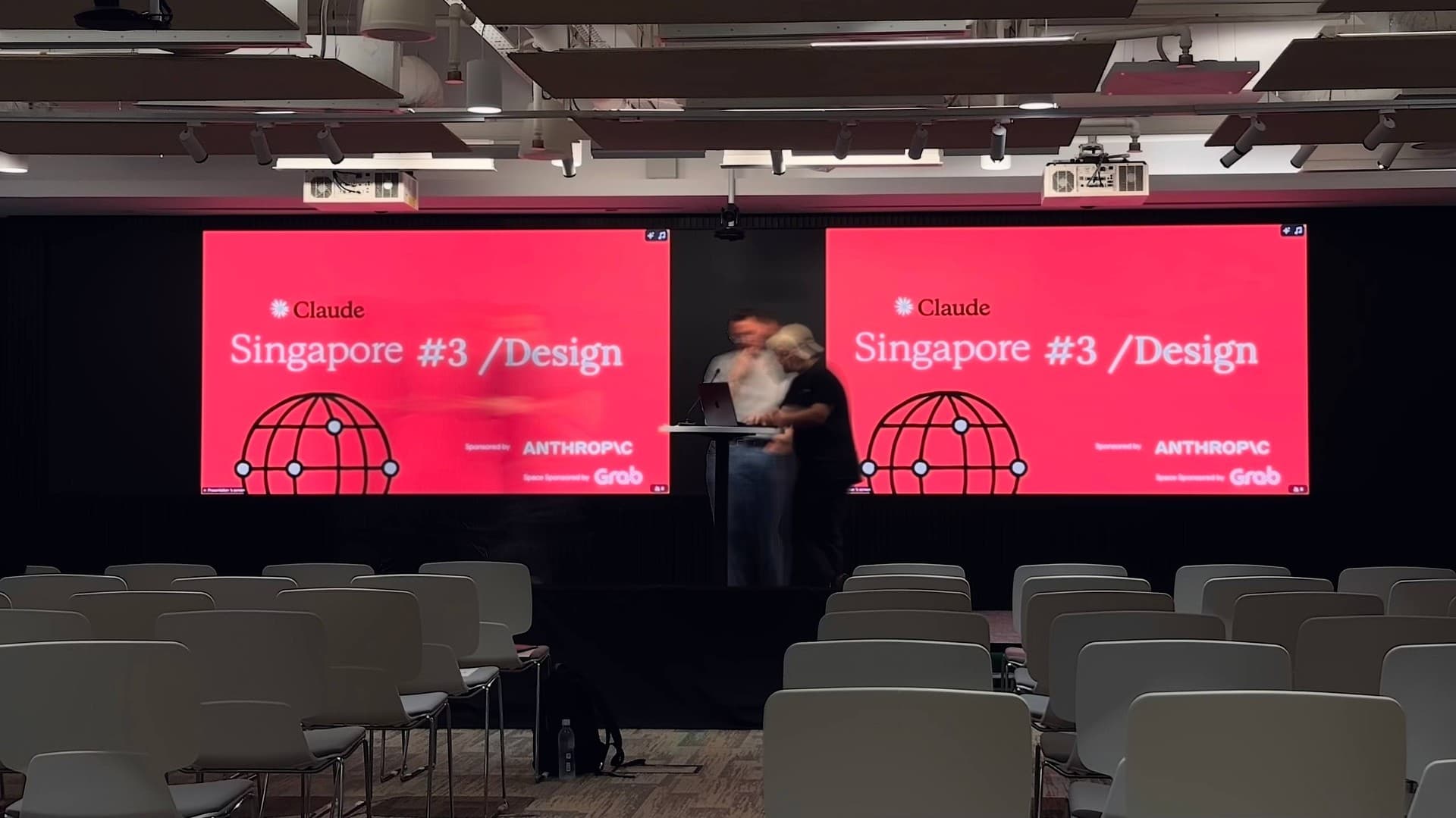
I've been to a lot of design events. This one was different.
The third Claude Code Meetup took over Grab's headquarters in Singapore with over 1,200 designers, developers, and builders in the room. This edition was entirely focused on design, and it officially became the largest Claude meetup in the world, a 170% increase from the previous one.
Huge kudos to Max Del Vita and Fiachra MacFadden for organizing an event of this scale. Getting that many people into a room and keeping the energy that high is no small thing.
Here's what stuck with me.
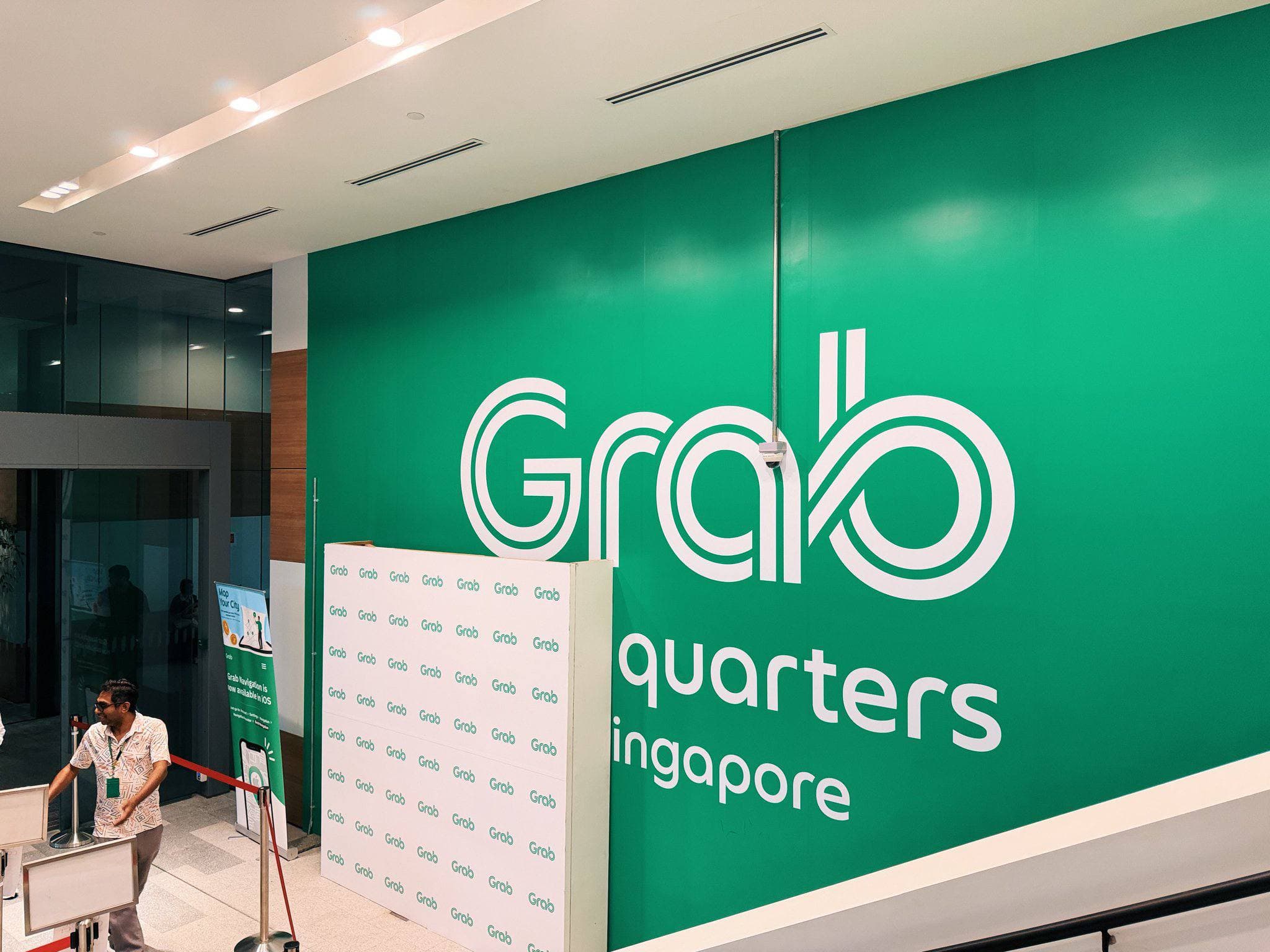
Photo: @ikuzoden
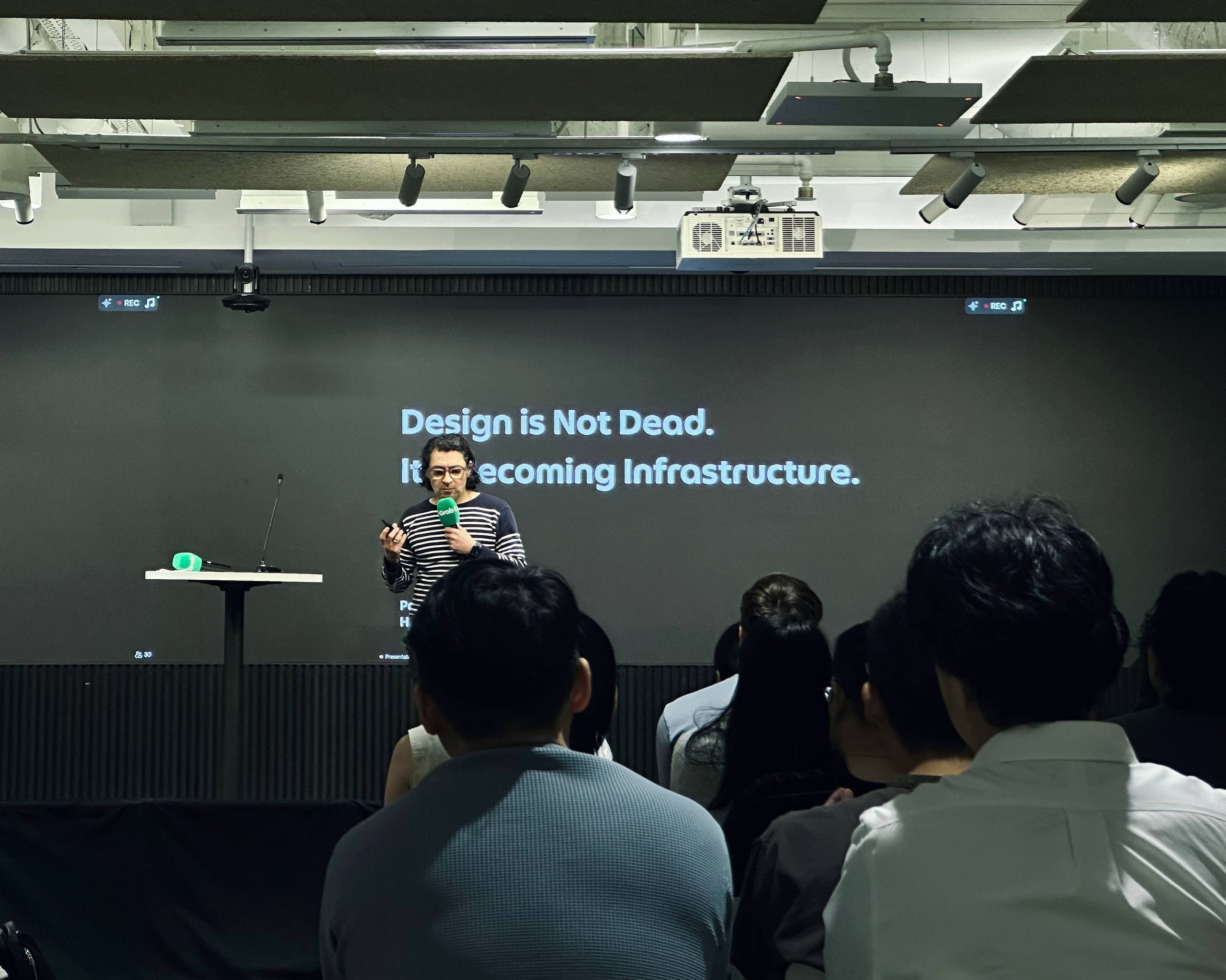
"Design is Not Dead. It's Becoming Infrastructure."
Patrick Jean, Head of Design at Grab, opened the night with that slide and set the tone immediately.
He showed how Grab's design team built Mosaic, an internal AI-powered illustration tool that generates around 800 brand-consistent illustrations per day. What used to take an illustrator a full day now takes 15 seconds. But the key insight wasn't about speed. It was about what that freed up: illustrators at Grab now spend their time crafting prompts and refining outputs instead of grinding through repetitive manual work. The craft evolved, it didn't disappear.
"Infrastructure makes quality repeatable."
This resonated. Quality that depends on one person having a good day doesn't scale. Systems do. And the best systems don't replace craft, they make it sustainable.
He followed it with another one:
"We must evolve from makers of outputs into builders of systems and environments."
That's the shift happening right now. We're not just here to make things. We're here to build the conditions where good things get made, over and over, by the whole team.
Ship Things That Make People Feel Things
Marisa Chentakul (@meshtimes), a Creative Technologist with over 500K followers, brought the balance the room needed.
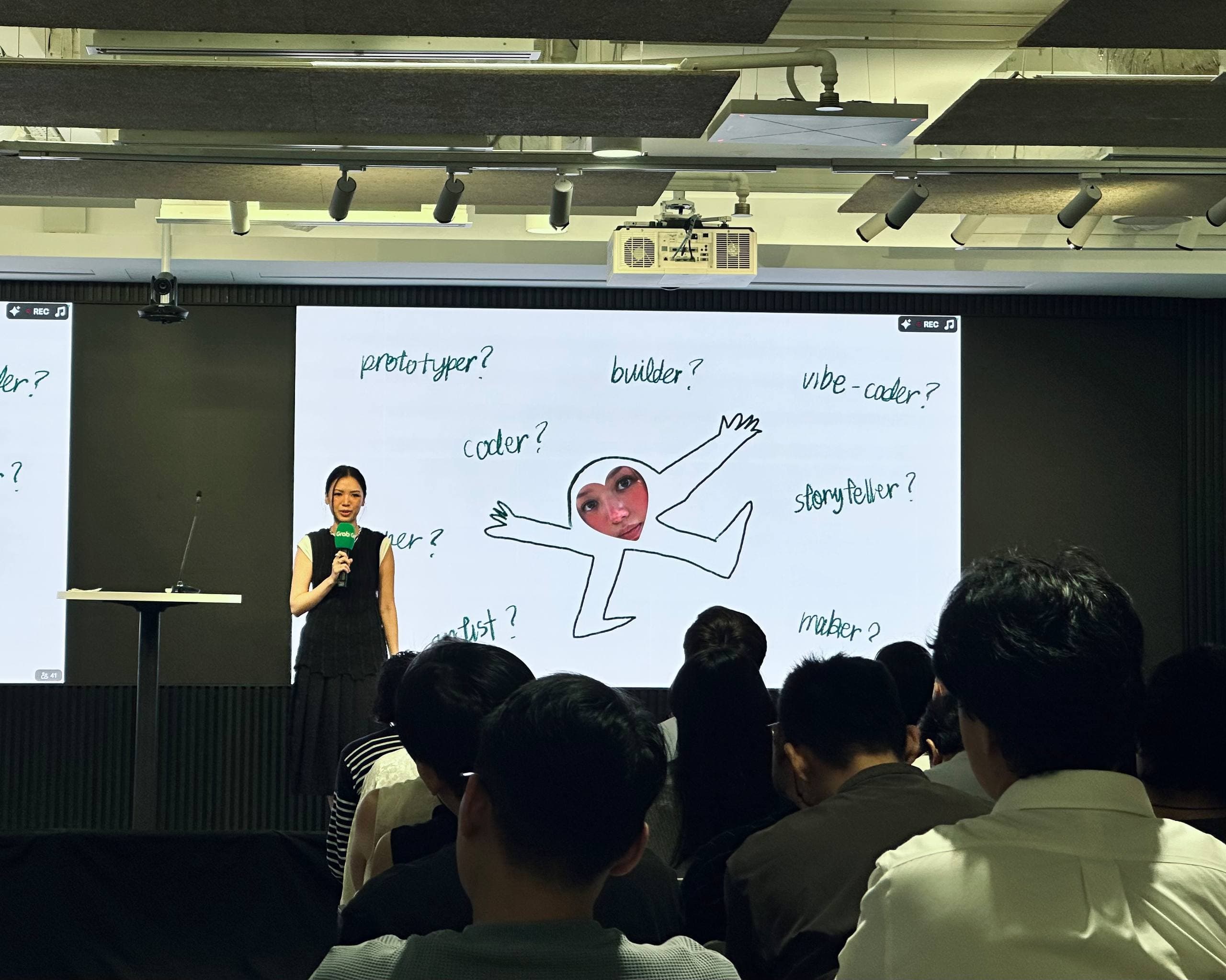
She showed a Valentine's Day app she vibecoded: a music box where you record a voice note for a loved one, and they have to spin a dial to listen to it. Built quickly, but with real care and intention. A perfect example of her point: you can build fast and still make something that resonates.
"Don't just ship things. Ship things that make people feel things."
It's easy to get caught up in speed, in pipelines, in how fast you can ship. But if the output doesn't make someone stop and feel something, what was the point? That human layer, the curation, the judgment, the instinct for what's right, that's still the job. And it might be the last thing AI replaces.
From Figma Prototypes to Production Dashboards
Jonny Summers Muir from Supabase gave one of the most eye-opening talks of the night. He walked through how their design team evolved from designing components and full prototypes in Figma to vibe coding functional dashboards ready for production.
Not mockups. Not handoffs. Real, shipped product built by designers.
He also brought up something I haven't stopped thinking about: we're approaching a moment where we're designing less for humans and more for agents. The interfaces of the future might not be for people clicking buttons. They might be for AI agents navigating systems. That's a fundamental shift in how we think about design, and most of the industry hasn't caught up yet.
The Demos
Three demos were selected from over 80 submissions, and each one brought something different.
Alex Le / KiasuDash
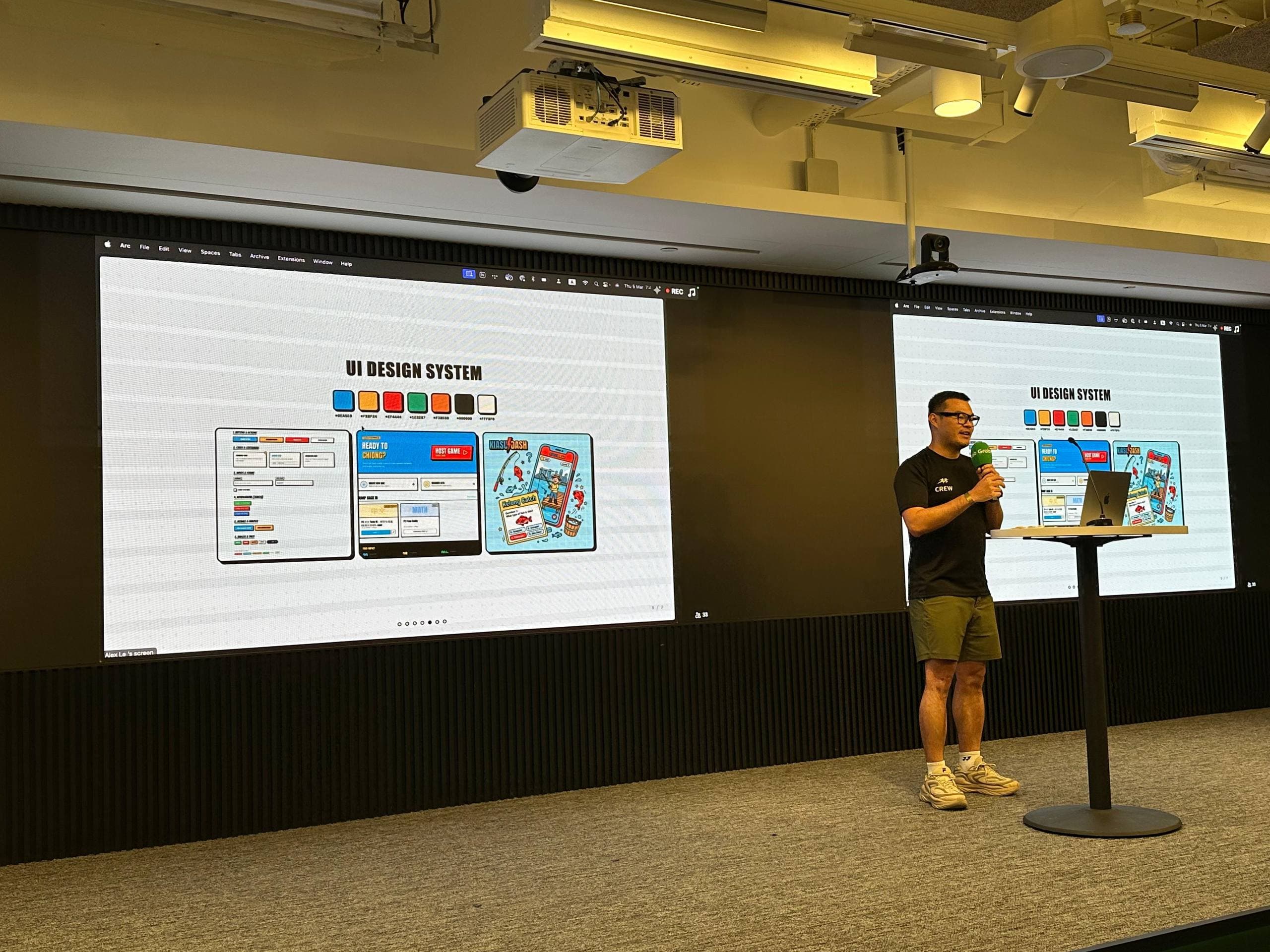
Alex Le presented KiasuDash, a kid learning platform he built as a solo developer using multiple AI agents working in parallel for research, design, development, and social content. The UI design system was polished and colorful, and two teachers came up to him after the demo saying it was exactly what they've been looking for. One person, a clear problem, and AI agents doing the work.
Samhita Kotian / Reading Universe
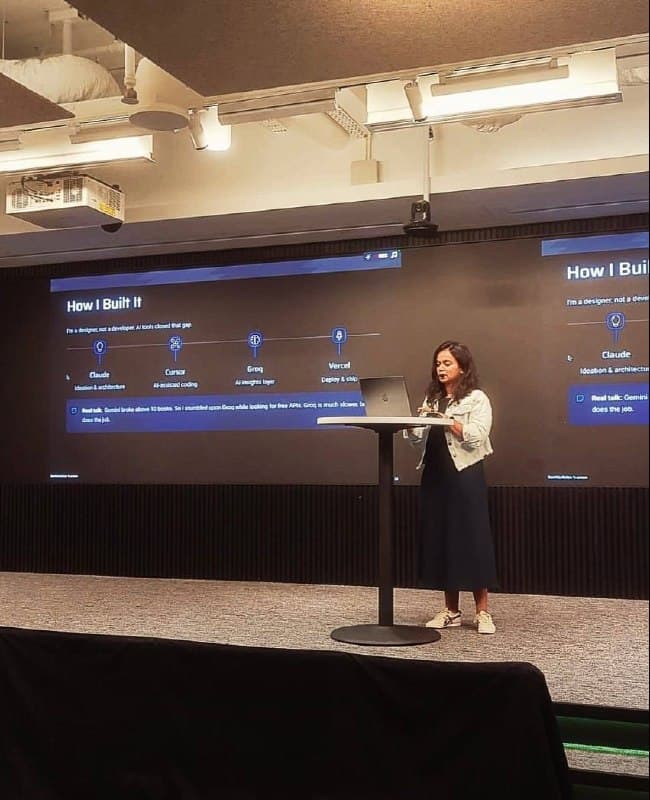
Samhita Kotian presented Reading Universe, a visual map of your entire reading history powered by AI. What makes her story stand out is that she has no dev background. She's a UX designer who built the whole thing using Claude for ideation and architecture, Cursor for AI-assisted coding, Groq for the AI insights layer, and Vercel to deploy.
"Just ship things, even when they're not perfect. Especially when they're not perfect."
Rachel and Adil / Roomsmith.ai
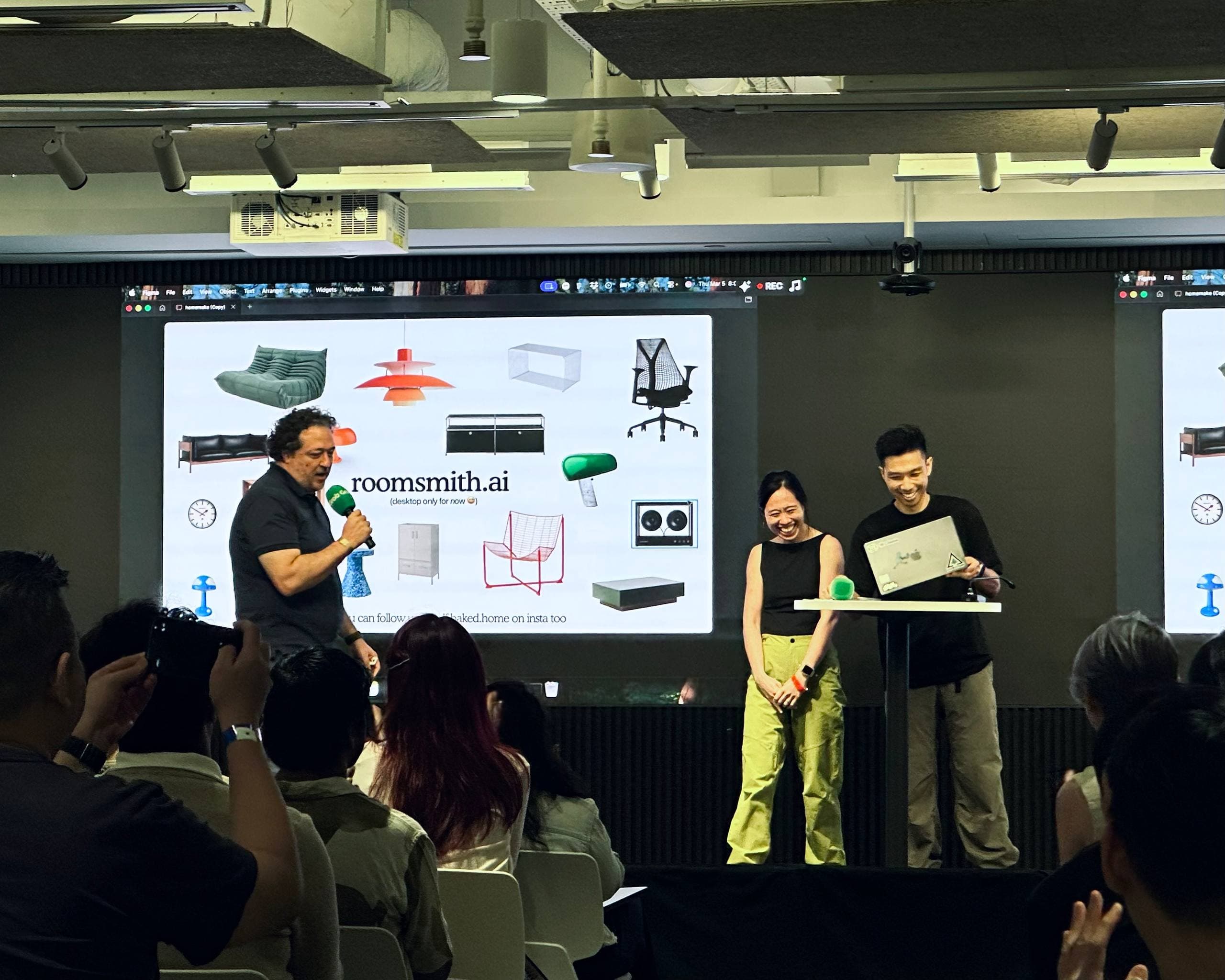
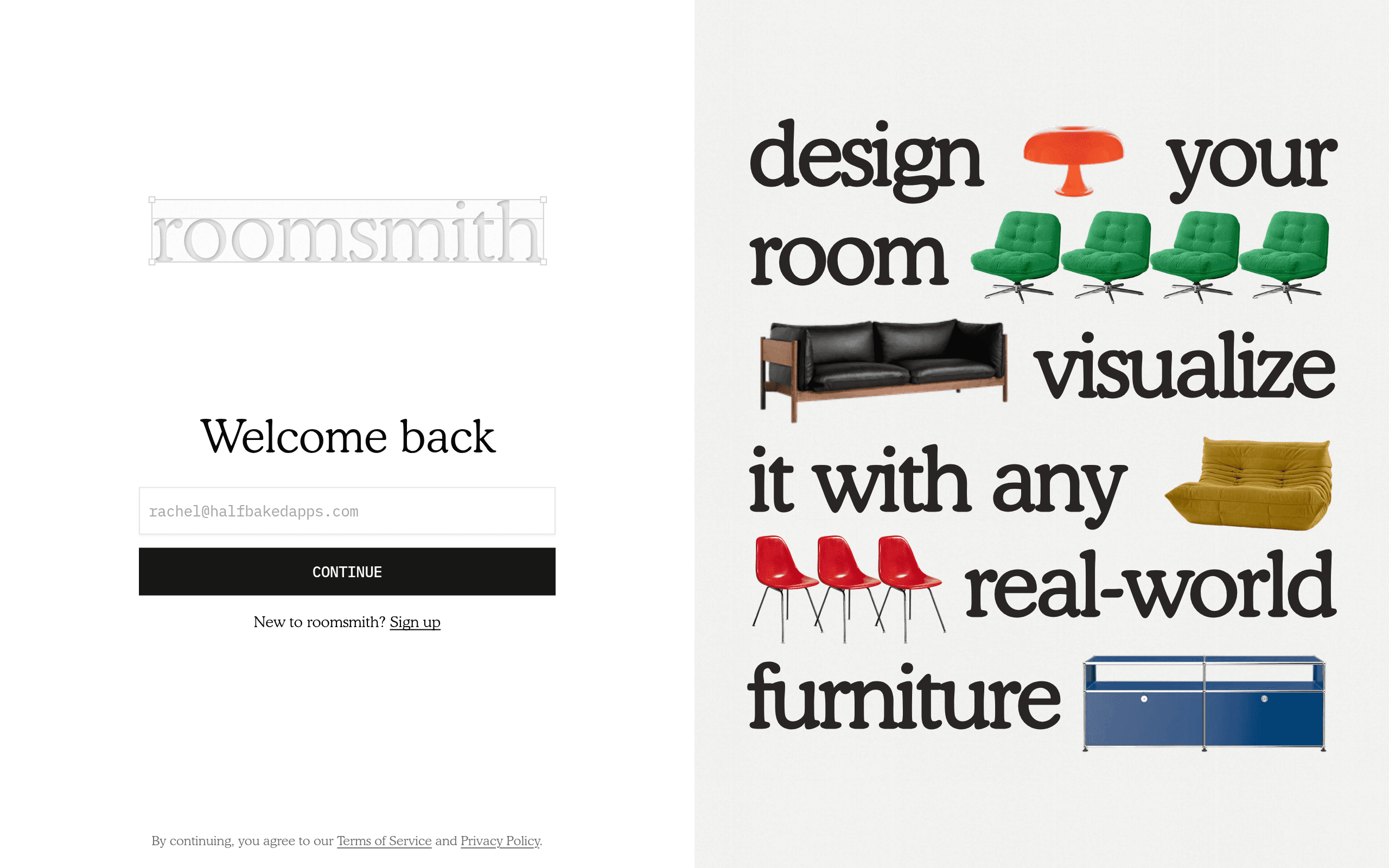
Rachel and Adil demoed Roomsmith.ai, an AI-powered interior design tool that lets you build and visualize room layouts with designer furniture. Desktop only for now, but the vision is clear and the execution was impressive. Seriously, go check it out at roomsmith.ai. One of the best demos of the night.
The common thread across all three demos was the same: build, test, learn, kill it if it doesn't work, and build the next thing. We're in a moment where the technology moves so fast that the right approach isn't to bet everything on one idea. It's to ship quickly, test with real users, and iterate until you find the right tool for a specific need.
The Numbers
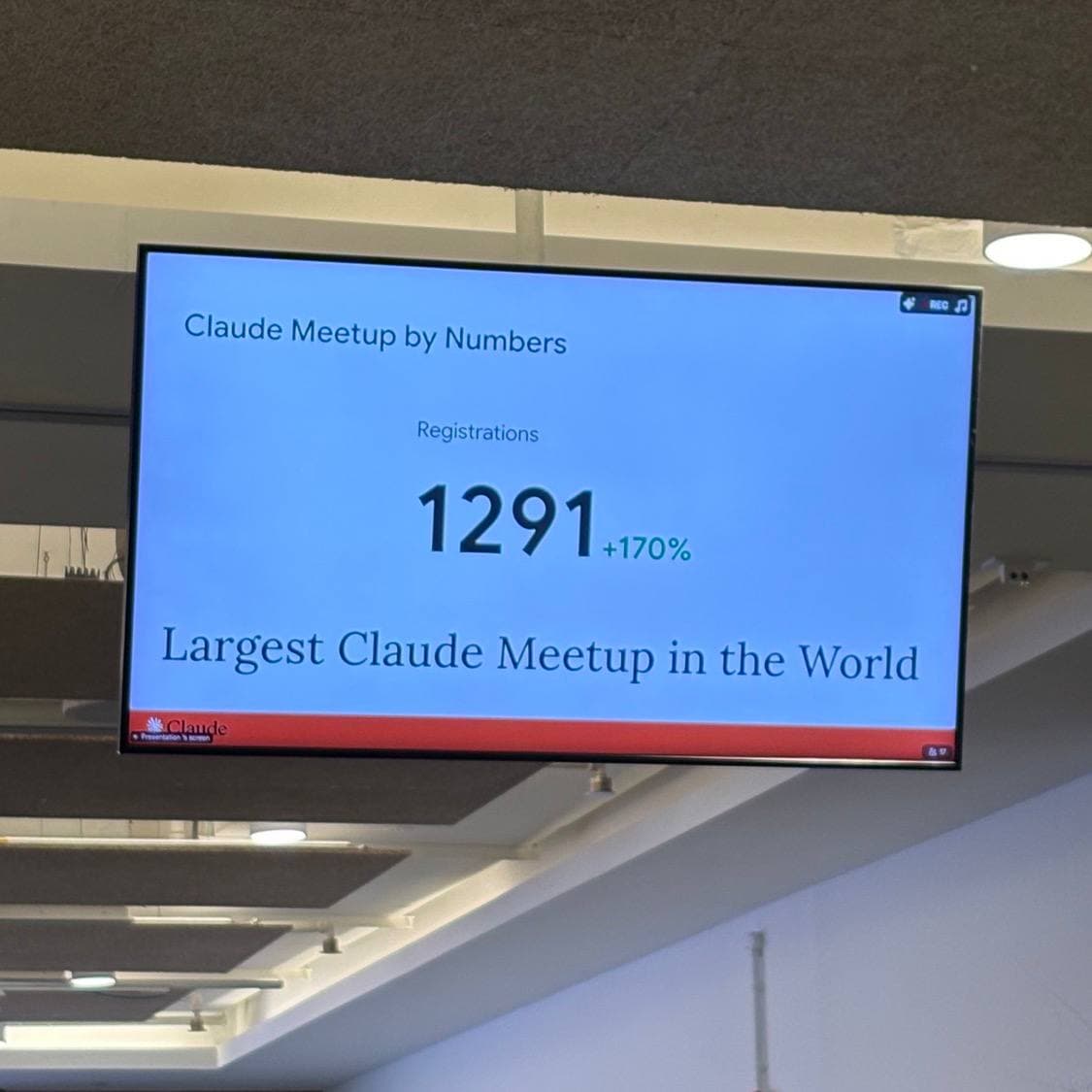
Photo: @skydotcs
1,291 registrations. 170% growth. The largest Claude meetup in the world. And it happened in Singapore.
Takeaway
The through-line across every talk was the same: designers need to evolve. Not just in craft, but in systems thinking, in technical fluency, in understanding the tools reshaping the field.
The ones who treat AI as a threat will get left behind. The ones who build systems and environments on top of it will define what design looks like for the next decade.
Thanks again to Max Del Vita and Fiachra MacFadden for putting this together, and to all the speakers for sharing their work and thinking. If these meetups come to your city, go. It's worth it.
Let's talk
Available for product videos, animation systems, creative direction, and workshops.